
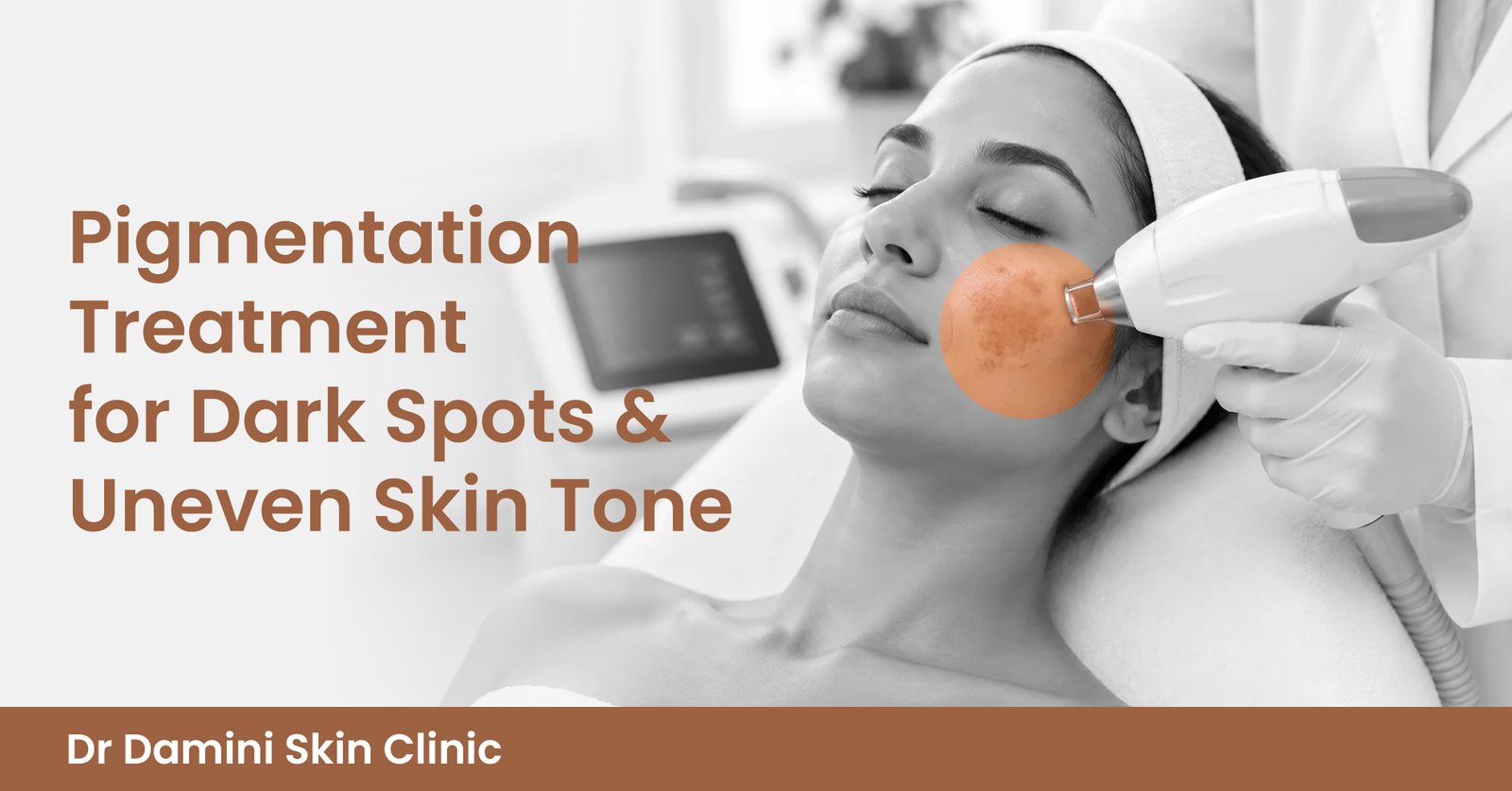
Pigmentation Treatment: How to Get Rid of Dark Spots and Achieve Even-Toned Skin
Have you ever noticed dark patches, acne marks, or uneven skin tone that seem impossible to fade? If yes, you're not alone. Pigmentation is one of the most common skin concerns affecting people of all ages. While it may not be harmful, it can impact your confidence and make your skin appear dull or uneven.
The good news is that pigmentation can be effectively managed with the right skincare routine and professional dermatological treatments. Understanding what causes pigmentation and how it can be treated is the first step toward healthier, brighter skin.
Understanding the different types of pigmentation and available treatment options can help you choose the most suitable approach for achieving clearer and more even-toned skin.
What Is Pigmentation?
Pigmentation refers to changes in skin colour caused by melanin, a natural pigment produced by specialised skin cells. Excess melanin production can lead to dark spots, patches, or uneven skin tone. When melanin production becomes uneven or excessive in certain areas, dark spots, patches, or discoloration can develop.
Pigmentation can appear anywhere on the body but is most commonly seen on the face, neck, hands, and arms. It may develop gradually or appear suddenly depending on the underlying cause.
Common Causes of Pigmentation
Excessive Sun Exposure
The sun is one of the biggest contributors to pigmentation. Ultraviolet (UV) rays stimulate melanin production, which can lead to tanning, dark spots, and uneven skin tone over time.
Acne Marks
After pimples heal, they often leave behind dark spots known as post-inflammatory hyperpigmentation. These marks can persist for months if not treated properly.
Hormonal Changes
Hormonal fluctuations during pregnancy, menopause, or due to certain medications can trigger a condition called melasma. Melasma usually appears as brown patches on the cheeks, forehead, and upper lip.
Aging
As skin ages, years of accumulated sun exposure can result in age spots and pigmentation.
Skin Inflammation and Injury
Cuts, burns, allergic reactions, and skin conditions such as eczema can leave pigmentation behind after the skin heals.
Different Types of Pigmentation
Melasma
Melasma is characterized by symmetrical brown or gray patches on the face. It is more common in women and is often linked to hormonal changes.
Sunspots
Also known as age spots, these are caused by long-term exposure to sunlight and commonly appear on areas frequently exposed to the sun.
Post-Inflammatory Hyperpigmentation
This type of pigmentation develops after acne, injury, or skin inflammation and leaves dark spots behind.
Freckles
Freckles are small brown spots that often become more visible after sun exposure.
Why Home Remedies Often Fall Short
Many people try natural remedies such as lemon juice, baking soda, or homemade face packs to lighten pigmentation. While some ingredients may temporarily brighten the skin, they rarely address the root cause of pigmentation.
In some cases, harsh or inappropriate home remedies may irritate the skin and potentially worsen pigmentation.
Effective Treatments for Pigmentation
Chemical Peels
Chemical peels help remove damaged outer layers of skin and stimulate new cell growth. They can improve pigmentation, acne marks, and overall skin texture.
Laser Treatment
Laser therapy targets excess melanin deposits beneath the skin and may help improve the appearance of dark spots and uneven pigmentation.
Medical Skincare
Dermatologist-recommended creams and serums containing ingredients like vitamin C, retinoids, kojic acid, and azelaic acid can gradually lighten pigmentation and improve skin tone.
Microneedling
Microneedling encourages collagen production and skin renewal, making it useful for reducing pigmentation and improving overall skin quality.
Customized Treatment Plans
Every person's skin is different. A customized treatment plan ensures that pigmentation is addressed safely and effectively based on skin type, severity, and underlying causes.
Daily Habits That Help Prevent Pigmentation
Never Skip Sunscreen
Sunscreen is the most important step in preventing pigmentation. Use a broad-spectrum sunscreen with SPF 30 or higher every day, even when indoors.
Avoid Picking at Pimples
Picking or squeezing acne can lead to inflammation and dark spots that take months to fade.
Follow a Consistent Skincare Routine
Using gentle cleansers, moisturizers, and dermatologist-approved products helps maintain healthy skin and prevents further pigmentation.
Stay Hydrated
Proper hydration supports skin repair and promotes a healthier complexion.
Eat a Balanced Diet
Foods rich in antioxidants, vitamins, and minerals help protect the skin from damage and support natural healing.
When Should You See a Dermatologist?
It may be time to consult a dermatologist if:
- Pigmentation continues to worsen.
- Home remedies are not providing results.
- Dark patches appear suddenly.
- Acne marks are taking a long time to fade.
- Pigmentation is affecting your confidence and daily life.
Early treatment often produces better and faster results while preventing pigmentation from becoming more stubborn.
The Importance of Professional Care
Pigmentation is not the same for everyone. What works for one person may not work for another. Professional diagnosis helps identify the exact cause of pigmentation and allows for a targeted treatment approach.
With professional evaluation and personalised treatment plans, many people experience noticeable improvements in skin tone and pigmentation.
Conclusion
Pigmentation is a common skin concern that can develop due to sun exposure, acne, hormonal changes, or ageing. Although dark spots and uneven skin tone can be frustrating, several dermatological treatments and healthy skincare habits may help improve skin appearance over time. Early evaluation and personalised care from a dermatologist can help identify the underlying cause and support long-term skin health and confidence.
Frequently Asked Questions
What causes pigmentation on the face?
Pigmentation can be caused by sun exposure, acne scars, hormonal changes, ageing, skin inflammation, and certain medications.
Can pigmentation be treated permanently?
The outcome depends on the underlying cause. Professional treatments and proper sun protection may help improve pigmentation and reduce its recurrence.
Which treatment is best for pigmentation?
Treatment options may include chemical peels, laser therapy, microneedling, and dermatologist-recommended skincare products. The most suitable treatment depends on your skin type and the cause of pigmentation.
How long does pigmentation treatment take to show results?
Results vary depending on the severity of pigmentation and the treatment used. Some people may notice improvement within a few weeks, while others may require multiple sessions.
Can sunscreen help prevent pigmentation?
Yes. Daily use of broad-spectrum sunscreen with SPF 30 or higher is one of the most effective ways to prevent and manage pigmentation.